


EV Chargers and Heat Pumps: Why Electrical Panel Services in Fredericksburg, VA, Come First
This guide explains why electrical panel services in Fredericksburg, VA, should come before an EV charger or a heat pump. New equipment adds a heavy load, and the panel has to be ready for it.
Why New Equipment Changes the Load
An EV charger, a heat pump, a home office, and modern appliances all draw power at the same time. Many older homes in neighborhoods like Lee's Hill, Celebrate Virginia, and areas near Courthouse Road were built with 100-amp panels. Those panels may no longer keep pace with that demand.
When a panel runs near its limit, breakers can trip, lights can flicker, and the new equipment may not perform the way it should. Checking capacity first prevents those problems.
Signs Your Panel Is Already Stretched
Your panel may be telling you something before you buy anything. Look for these signs:
- Breakers that trip without heavy use.
- A fuse box that has never been modernized.
- Burn marks or a burning smell near the panel.
- Lights that flicker when a large appliance starts.
If you see any of them, ask about electrical panel services before adding a charger or heat pump.
What an EV Charger Needs
A home EV charger requires a dedicated 240-volt circuit sized to the vehicle and to the capacity of the panel. The electrician checks how much room the panel has before running the wiring.
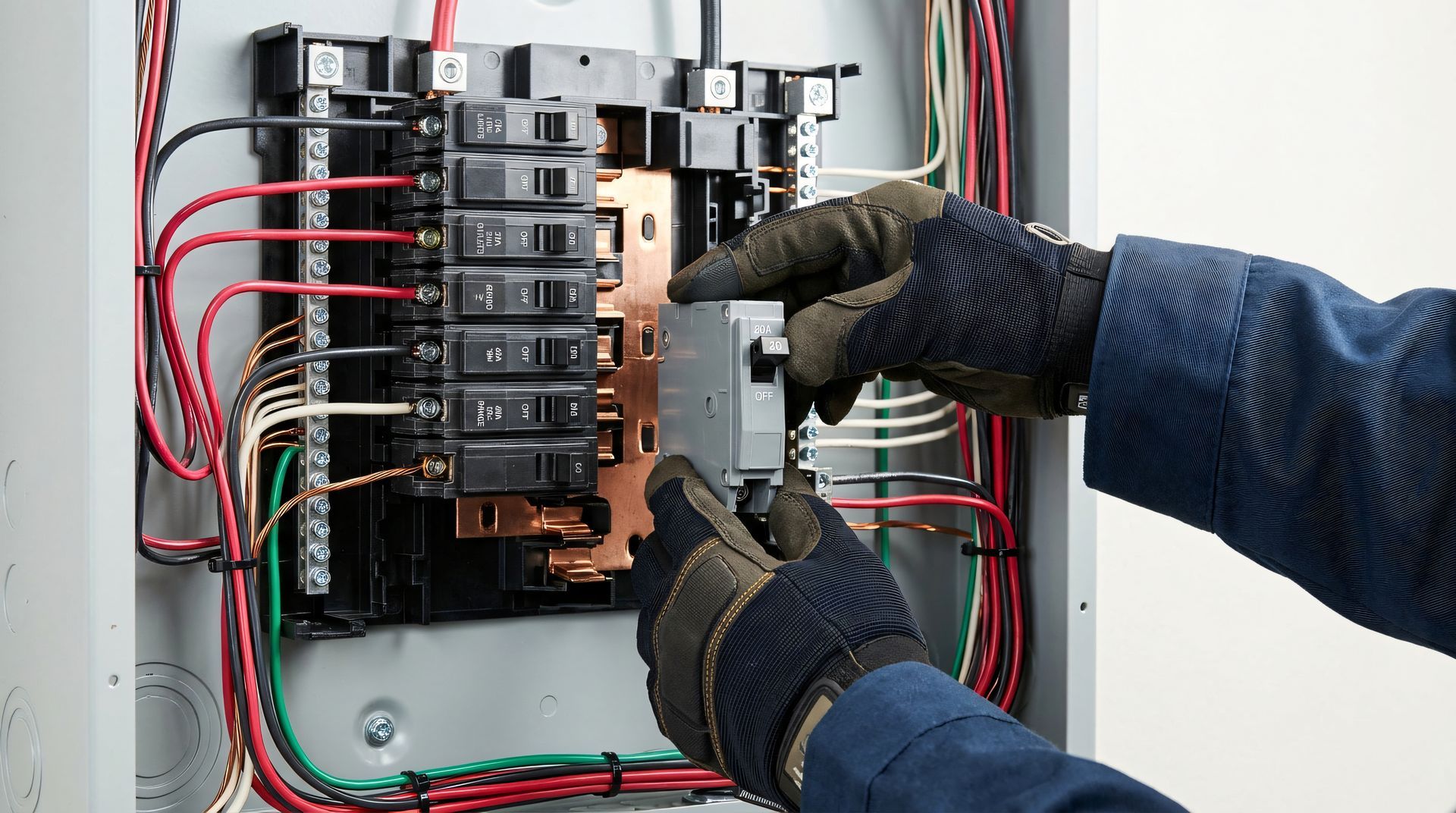
If the panel is full or undersized, the safest route is to upgrade or add a sub-panel first, then install the charger. Doing the work in that order keeps the project to code and avoids a second visit.
What a Heat Pump Adds
Heat pumps replace separate heating and cooling equipment, but they bring their own electrical demand. The system needs correctly sized wiring and breakers, and it adds load to a panel that may already be busy.
A load calculation shows whether the existing service can carry the heat pump along with everything else. If it cannot, an upgrade to 200-amp service is the most common fix.
What Else Competes for Capacity
New equipment is not the only load. These items also draw on the same service:
- Home offices.
- Modern appliances.
- Outdoor lighting.
- ·A backup generator.
Together they can push an older panel past its limit even when no single item seems large.
An assessment that counts every load gives a more honest answer than a guess based on one new purchase.
Load Calculations and Wire Sizing
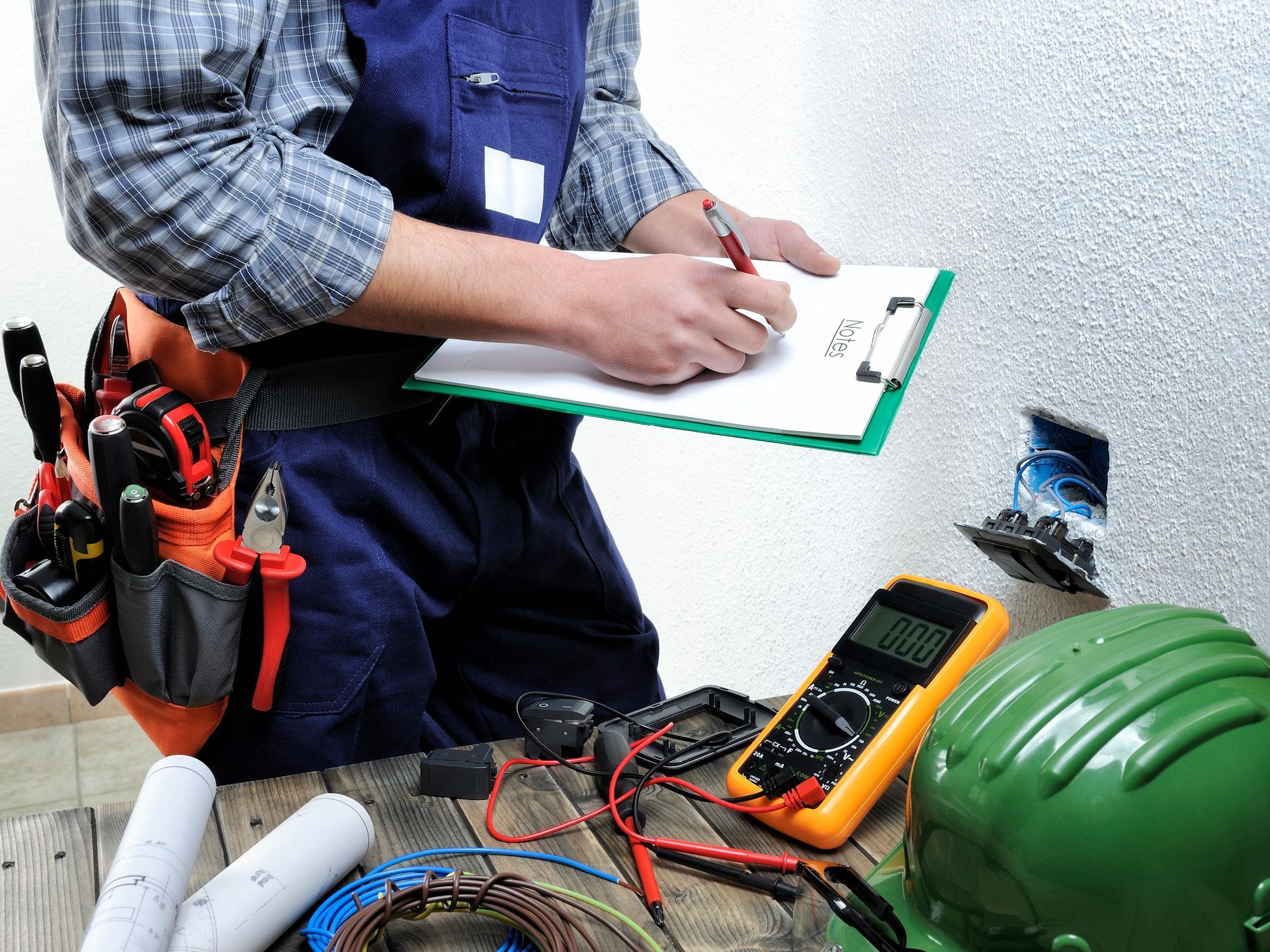
The numbers matter on projects like these. A good assessment includes:
- Proper load calculations.
- Correct wire sizing.
- Code compliance.
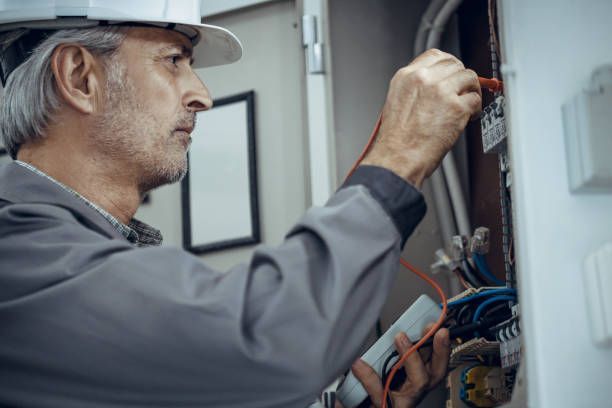
These steps prevent costly problems later. An electrician walks through your current system and adds up the existing loads before recommending any work.
Ask to see how the contractor reached the answer. A clear explanation is a good sign.
When a Sub-Panel Helps
A sub-panel can make sense for these projects:
- An addition.
- A detached garage.
- A workshop.
A sub-panel brings capacity closer to where the new equipment will run and keeps the main panel from carrying every circuit.
If your plans include a garage charger plus other outbuilding equipment, ask whether a sub-panel is a better fit than a full upgrade.
Pairing a Panel Upgrade With a Generator
Many customers add a standby generator at the same time as the panel work. A generator connects to the home through a transfer switch, and a panel with enough capacity makes the connection simpler and safer.
Planning both together keeps the permits, the wiring, and the inspections on one schedule. It also gives the property a complete power plan, which is a good reason to schedule electrical panel services first.
Utility Coordination and Service Entrance Work
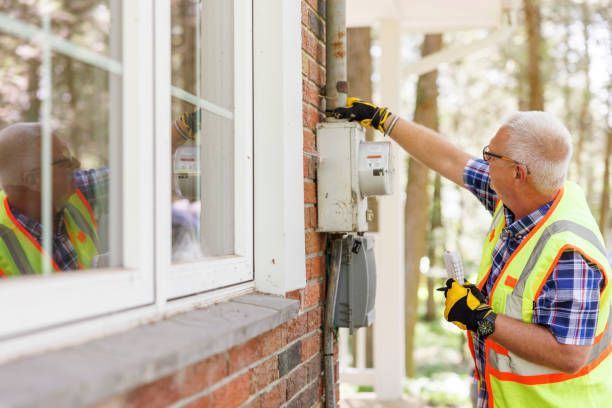
Some projects need work at the service entrance, where power enters the home. That work is coordinated with the local utility, so the timing of the power shutoff and reconnection can depend on the utility's schedule.
Ask the contractor how that coordination will work and who handles each step.
A Simple Order of Operations
Plan the work, starting with electrical panel services, in this order:
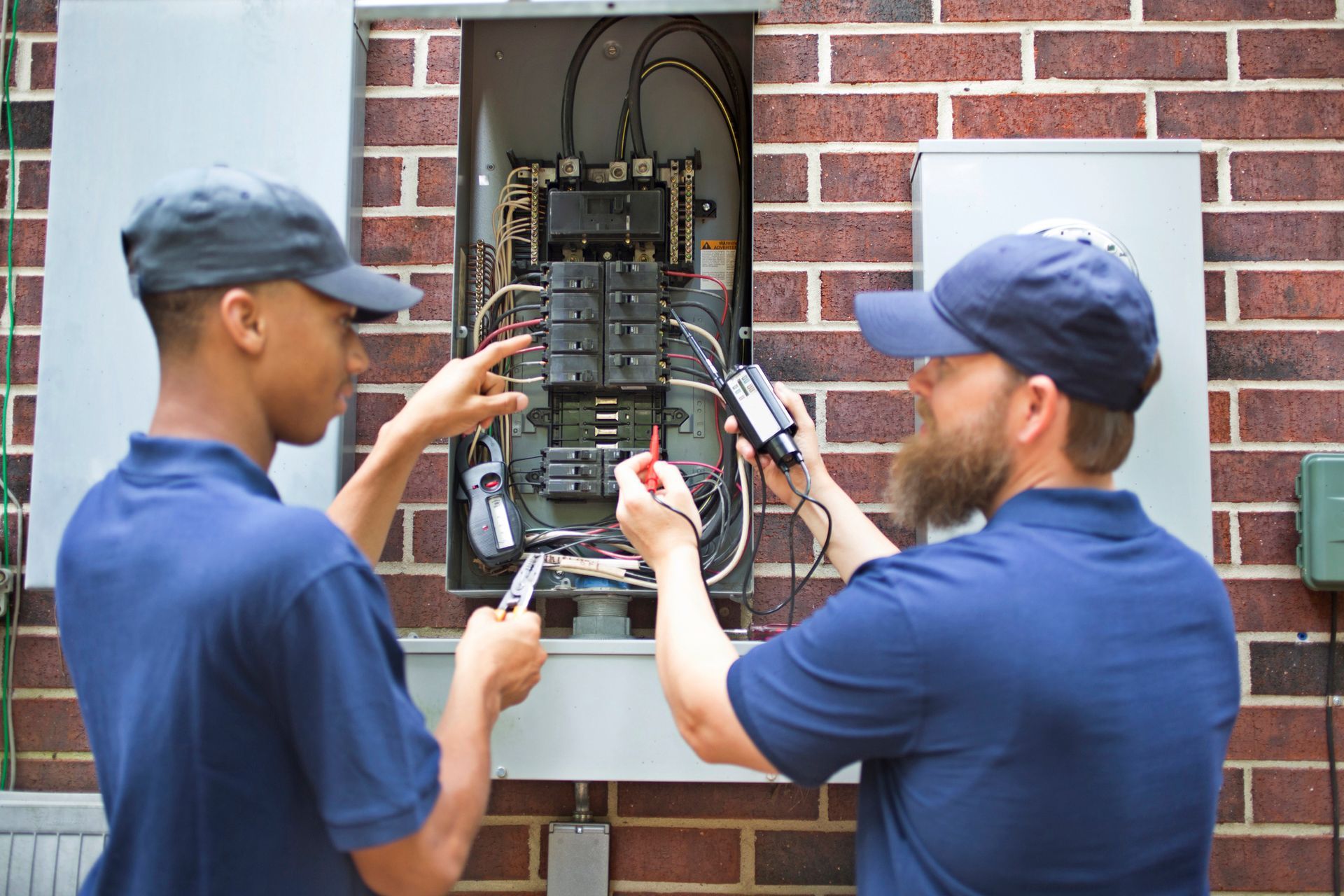
1. Assess the existing panel and service entrance.
2. Decide whether an upgrade, a sub-panel, or a load adjustment is needed.
3. Pull the permit and complete the panel work.
4. Install the EV charger or heat pump circuit.
5. Pass the inspection and label every circuit.
Common Questions About Panel Work
Can I Buy the Charger or Heat Pump Before the Panel Work?
You can, but check capacity first. A quick assessment before you buy tells you whether the panel can carry the new load.
Do I Always Need a 200-Amp Panel?
No. Some homes only need a breaker change or a load adjustment. The assessment decides, and the electrician explains why.
Get Your Panel Checked First
JF Electrical Contractors, based in Fredericksburg, VA, provides electrical panel services alongside EV charger and generator installation for Stafford, Spotsylvania, and King George counties. You can read customer feedback on the JF Electrical Contractors Google profile. Call (540) 891-1812 or contact us to schedule an assessment.
What to Expect During a Panel Upgrade: Electrical Panel Services in Fredericksburg, VA, Step by Step